Office Cleaning: Creating Healthier, More Productive Workspaces
Office cleaning is more than a routine chore; it is a vital part of keeping a workplace healthy, efficient, and professional. Whether you manage a small startup, a large corporate floor, or a shared coworking space, the condition of your office affects employee morale, visitor impressions, and day-to-day productivity. A well-planned office cleaning strategy helps reduce germs, improve air quality, protect equipment, and maintain a polished image that reflects positively on the business.
Today’s workplaces demand more than basic tidying. Modern office cleaning services focus on high-touch disinfection, floor care, restroom sanitation, waste removal, dust control, and specialized cleaning for shared surfaces and sensitive equipment. As businesses become more aware of cleanliness standards, office cleaning has evolved into a practical investment rather than an optional expense.
In this article, we will explore the essential aspects of office cleaning, from daily routines and deep cleaning to eco-friendly practices and the benefits of professional service. You will also find useful tips for maintaining a cleaner workplace and understanding what makes an effective cleaning plan. If you want a healthier environment and a more professional space, office cleaning should be a top priority.
Why Office Cleaning Matters for Every Workplace
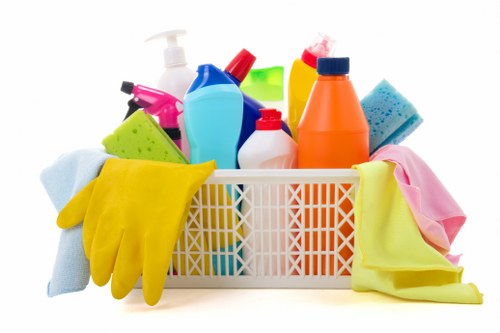
A clean office creates a strong first impression. When clients, partners, or new employees walk into a spotless environment, they immediately associate the business with professionalism and care. Office cleaning supports this impression by keeping lobbies, meeting rooms, restrooms, and workstations presentable at all times.
Beyond appearance, office cleaning plays a major role in workplace health. Shared desks, keyboards, door handles, kitchen counters, and conference tables can quickly collect dust, bacteria, and allergens. Regular cleaning reduces the spread of germs and helps limit sick days, especially in busy workplaces where many people use the same areas.
It also protects office assets. Carpet fibers, upholstery, glass partitions, and electronics all last longer when they are cleaned correctly. Consistent office cleaning helps preserve the condition of furniture and fixtures, reducing replacement costs over time.
What Professional Office Cleaning Typically Includes
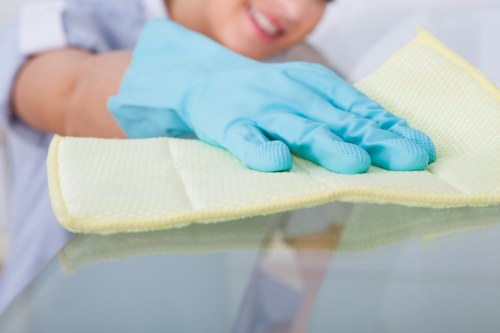
Professional office cleaning usually covers a wide range of tasks tailored to the size and layout of the space. While each workplace is different, most cleaning routines include dusting, vacuuming, mopping, restroom cleaning, trash disposal, and surface sanitation.
In many offices, cleaning teams also handle kitchen or break room maintenance, glass cleaning, and the sanitizing of high-touch points. These services help ensure that common areas remain hygienic and comfortable for employees throughout the day.
Some businesses require specialized office cleaning for reception areas, computer stations, medical offices, or executive suites. In these settings, cleaners may use specific products and techniques to protect equipment while still achieving a high standard of cleanliness.
Common Office Cleaning Tasks
- Emptying bins and replacing liners
- Vacuuming carpets and rugs
- Mopping hard floors
- Cleaning and disinfecting desks and tables
- Sanitizing restrooms and kitchens
- Wiping down doors, handles, switches, and railings
- Cleaning glass and mirrored surfaces
- Removing dust from vents, shelves, and baseboards
Daily Office Cleaning vs. Deep Cleaning

Not all office cleaning needs are the same. Daily cleaning focuses on maintaining order and hygiene during regular operations. This type of service usually includes visible surface care, waste removal, restroom maintenance, and floor tidying. It is essential for keeping the workplace functional and inviting every day.
Deep cleaning, on the other hand, addresses the hidden buildup that regular routines may miss. This can include detailed carpet treatment, upholstery care, intensive dust removal, scrubbing behind furniture, and thorough disinfection of often-overlooked areas. Deep office cleaning is especially valuable after flu season, during office moves, or before major events.
A balanced cleaning plan often combines both. Daily upkeep keeps the office looking sharp, while periodic deep cleaning supports long-term hygiene and protects the overall environment. Together, these services create a more reliable and effective office cleaning system.
When Deep Cleaning Is Most Useful
- After renovation or construction work
- During seasonal allergy periods
- Before or after large corporate events
- When foot traffic increases significantly
- After extended office closures
Health Benefits of Regular Office Cleaning
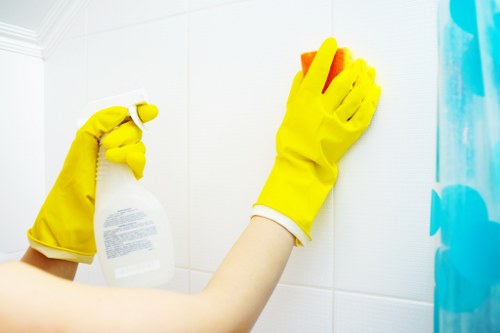
One of the biggest advantages of office cleaning is the positive effect on health. Clean surfaces and sanitized shared spaces reduce exposure to bacteria, viruses, mold spores, and allergens. This is particularly important in offices with open layouts, where people work closely together and use shared equipment.
Indoor air quality also improves when dust, pollen, and debris are removed regularly. Cleaner air can help reduce headaches, respiratory irritation, and allergy symptoms, making the office more comfortable for everyone. Good office cleaning contributes to a healthier atmosphere that supports focus and energy throughout the workday.
Employees are often more likely to stay engaged and motivated when they work in a clean space. A tidy environment reduces distractions and gives people a sense of order. That is why office cleaning is often connected to better overall workplace satisfaction and fewer health-related interruptions.
Health-Focused Cleaning Priorities
- Disinfecting high-touch surfaces daily
- Keeping restrooms stocked and sanitized
- Controlling dust accumulation
- Maintaining clean break areas
- Reducing clutter that traps dirt and germs
How Office Cleaning Supports Productivity

A clean office does more than look good; it helps people work better. Employees tend to be more productive when their work areas are organized, clutter-free, and free from unpleasant odors or distractions. Office cleaning creates a space where it is easier to concentrate, meet deadlines, and collaborate effectively.
Time is also saved when office systems are clean and orderly. Workers do not need to search through messy areas or worry about unsanitary conditions. Organized cleaning routines can even support smoother operations by making shared supplies, meeting rooms, and common resources easier to use.
From a management perspective, office cleaning reduces the chances of small issues turning into major problems. Spills, stains, leaks, and debris can become bigger concerns if ignored. Regular attention helps prevent disruptions, allowing staff to focus on business tasks instead of avoidable messes.
Choosing the Right Office Cleaning Approach
Every business has different cleaning needs, and the best office cleaning plan depends on the size, industry, traffic level, and operating schedule of the workplace. A law firm may require polished reception areas and spotless meeting rooms, while a design studio may need flexible cleaning around equipment and creative workspaces. The right approach should balance cleanliness, convenience, and budget.
Some businesses prefer in-house cleaning staff, while others hire professional office cleaning companies. In-house teams can be useful for smaller spaces or tightly controlled environments. However, outsourced cleaning often provides access to trained specialists, better equipment, and more scalable service options. For many organizations, professional cleaning is the more efficient choice.
When selecting a cleaning approach, it helps to identify the highest-priority areas first. Restrooms, kitchen areas, entrances, and shared desks usually require more frequent attention. Once those areas are covered, the plan can expand to include less-used spaces and periodic deep cleaning tasks.
Questions to Ask Before Deciding on Office Cleaning Services
- How often does the office need cleaning?
- Which areas require daily attention?
- Are there special surfaces or equipment that need careful handling?
- Does the cleaning schedule need to happen after hours?
- Are eco-friendly cleaning products preferred?
Eco-Friendly Office Cleaning Practices
Sustainable office cleaning has become increasingly important as businesses look for ways to reduce waste and support healthier indoor environments. Eco-friendly cleaning products can lower exposure to harsh chemicals while still delivering strong cleaning results. Many companies now prefer biodegradable, low-toxicity solutions that are safer for employees and surfaces.
Green office cleaning also includes practical habits such as using reusable microfiber cloths, minimizing paper waste, and choosing concentrated products that reduce packaging. These choices help businesses create cleaner spaces while supporting broader sustainability goals.
Another benefit of eco-friendly office cleaning is improved air quality. Strong chemical odors can cause discomfort in enclosed offices, especially where ventilation is limited. By choosing milder, environmentally responsible products, workplaces can maintain cleanliness without creating unnecessary irritation.
Examples of Greener Cleaning Habits
- Using refillable dispensers for soap and sanitizer
- Choosing low-VOC cleaning products
- Recycling office waste properly
- Reducing disposable supplies where possible
- Scheduling efficient cleaning routes to save energy
Office Cleaning for Different Types of Workspaces
Office cleaning is not one-size-fits-all. Different industries and office layouts create different cleaning demands. Understanding these differences is important when building a cleaning plan that works well day after day.
For example, open-plan offices often need frequent surface cleaning because many people use the same tables, chairs, and shared equipment. Smaller private offices may need less frequent cleaning but still require attention to dust and waste removal. Reception areas in client-facing businesses need extra care because they shape the first impression of the company.
Meeting rooms, break rooms, and restrooms are usually the most heavily used shared spaces. These areas often deserve the highest frequency of office cleaning because they accumulate dirt and germs quickly. Specialized workplaces, such as clinics or technology offices, may also need custom cleaning procedures to protect sensitive materials or maintain compliance standards.
Office Cleaning Needs by Area
- Reception areas: Glass, floors, seating, and front desks
- Workstations: Dusting, trash removal, and surface sanitation
- Conference rooms: Tables, chairs, screens, and door handles
- Break rooms: Counters, sinks, appliances, and floors
- Restrooms: Toilets, sinks, mirrors, supplies, and disinfecting
How Often Should Office Cleaning Be Done?
The ideal cleaning frequency depends on foot traffic, office size, and the nature of the work being done. High-traffic offices may need daily office cleaning, while smaller spaces may do well with a few scheduled visits each week. Restrooms and kitchens often need attention every day, even if other areas are cleaned less frequently.
A good rule is to match the cleaning schedule to the level of use. The more employees and visitors a workspace has, the more often it should be cleaned. Shared areas, in particular, tend to accumulate dirt faster and should be prioritized in any plan.
Seasonal changes can also affect cleaning needs. During winter, tracked-in moisture and salt can damage floors. During spring and allergy seasons, dust and pollen may increase. A flexible office cleaning schedule allows businesses to respond to changing conditions without sacrificing quality.
Sample Office Cleaning Frequency
- Daily: Restrooms, kitchens, trash, shared surfaces, floors
- Weekly: Dusting, glass cleaning, detailed workstation care
- Monthly: High dusting, vents, baseboards, detailed inspections
- Quarterly: Deep cleaning, carpet care, upholstery cleaning
Office Cleaning Mistakes to Avoid
Even businesses with good intentions sometimes make cleaning mistakes that reduce effectiveness. One common issue is focusing only on visible dirt and ignoring hidden buildup. Dust on vents, grime around door handles, and debris under furniture can still affect hygiene and appearance.
Another mistake is using the wrong product on delicate surfaces. Glass partitions, electronics, wood finishes, and specialty flooring may be damaged by harsh chemicals or abrasive tools. Proper office cleaning requires the right materials, training, and attention to detail.
Finally, inconsistent cleaning schedules can lead to uneven results. If some areas are cleaned regularly while others are neglected, the office may still feel disorganized or unsanitary. A dependable routine ensures that every part of the workplace receives the care it needs.
Common Mistakes
- Skipping high-touch disinfecting
- Ignoring hidden dust and buildup
- Using incorrect cleaning products
- Failing to clean shared appliances
- Inconsistent scheduling
What to Look for in a Professional Office Cleaning Service
When choosing a provider, look for a team that understands the specific requirements of office cleaning. Experience matters, but so does reliability, communication, and flexibility. A strong service provider should be able to customize cleaning tasks based on your office layout and work hours.
It is also useful to check whether the company uses trained staff, proper supplies, and clear cleaning procedures. Office environments often include equipment and materials that need careful handling. A dependable team should know how to clean thoroughly without disrupting operations.
Another important factor is quality control. The best office cleaning services use checklists, supervision, and regular inspections to maintain high standards. This helps ensure consistent results and makes it easier to identify areas that need additional attention.
Traits of a Reliable Cleaning Provider
- Flexible scheduling
- Trained cleaning personnel
- Custom service plans
- Attention to detail
- Clear quality standards
- Use of appropriate cleaning products
Creating a Better Office Environment Through Cleanliness
Office cleaning is ultimately about creating an environment where people can do their best work. Clean workplaces feel calmer, more professional, and more welcoming. They also help reduce stress by removing clutter, odors, and dirt that can make an office feel neglected.
For business owners and managers, investing in office cleaning is a practical step toward stronger workplace culture. Employees notice when a company values cleanliness, and that attention often reflects broader care for comfort and safety. Over time, a clean office can contribute to lower turnover, better morale, and a more positive brand image.
Whether your workplace needs daily maintenance, periodic deep cleaning, or a fully customized plan, the goal remains the same: create a space that supports health, productivity, and professionalism. With the right approach, office cleaning becomes a valuable part of everyday business success.
Ready to improve your workplace environment? Contact us today and book your service now to experience the benefits of professional office cleaning that keeps your business looking its best.