House Cleaning in a Modern Home: Smart Strategies for a Cleaner, Healthier Living Space
House cleaning is one of those essential responsibilities that never really disappears. Whether you live in a small apartment, a large family home, or a busy shared household, keeping your space clean affects comfort, health, productivity, and peace of mind. A clean home does more than look good; it helps reduce dust, allergens, clutter, odors, and the stress that often comes from living in a chaotic environment. For homeowners and renters alike, house cleaning is not just about appearance—it is about maintaining a functional, welcoming, and healthy environment.
Many people search for ways to make house cleaning easier, faster, and more effective. The truth is that a smart cleaning routine can save time while delivering better results. By understanding what to clean, how often to clean it, and which methods work best, anyone can create a practical system that keeps the entire home in excellent condition. From everyday tidying to deep cleaning tasks, a consistent approach helps prevent dirt from building up and makes each cleaning session less overwhelming.
In today’s fast-paced lifestyle, professional house cleaning services and efficient do-it-yourself methods are both popular options. Some households prefer to manage cleaning independently, while others choose to book recurring cleaning support to save time and reduce stress. No matter which approach you prefer, the goal remains the same: a home that feels fresh, organized, and comfortable. Let’s explore the essentials of effective house cleaning and how to keep every area of your home in top shape.
Why House Cleaning Matters More Than Most People Realize
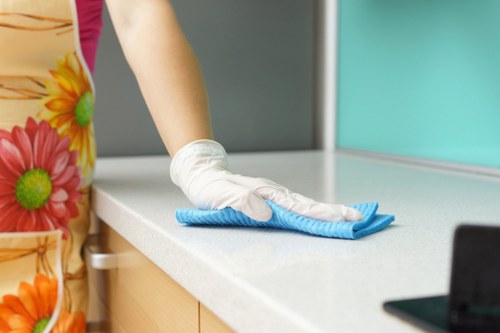
Clean living spaces have a direct effect on daily life. Dust, pet dander, pollen, mold, and bacteria can accumulate quickly, especially in homes with children, pets, or high foot traffic. Regular house cleaning helps reduce these irritants and supports better indoor air quality. For anyone with allergies or respiratory sensitivities, a clean environment can make a noticeable difference in comfort and wellbeing.
Beyond health, house cleaning supports mental clarity. Cluttered spaces can create a sense of distraction and pressure, while tidy rooms often feel calmer and more inviting. A well-maintained home can improve focus, reduce stress, and make everyday routines smoother. People often underestimate how much a clean kitchen, vacuumed floor, or sanitized bathroom contributes to overall mood and productivity.
There is also the practical side of home care. Dirt and grime can damage surfaces over time, while neglected spills may stain carpets, countertops, and appliances. Routine house cleaning helps preserve the condition of your home, extending the life of materials and furnishings. In this sense, cleaning is not just maintenance; it is a form of protection for one of your biggest investments.
Creating a House Cleaning Routine That Actually Works

A successful house cleaning routine should be realistic, repeatable, and suited to your lifestyle. The best plan is one you can stick to consistently without feeling exhausted or discouraged. Instead of trying to clean everything at once, break tasks into daily, weekly, and monthly categories. This makes house cleaning more manageable and reduces the chance of burnout.
Daily tasks usually include quick cleanup actions such as wiping counters, washing dishes, making beds, and picking up clutter. These small habits prevent mess from accumulating and keep the home visually organized. In many homes, just 15 to 20 minutes of daily attention can make a major difference.
Weekly tasks often include vacuuming, mopping, bathroom sanitizing, dusting, and cleaning kitchen surfaces. These are the core chores that maintain a fresh and hygienic living environment. Monthly or seasonal tasks may include cleaning baseboards, washing windows, deep-cleaning appliances, and organizing storage spaces. The more structured the routine, the easier house cleaning becomes over time.
Sample Cleaning Schedule for Busy Households
Many households benefit from a simple cleaning schedule that removes guesswork. Here is an example of how tasks can be organized throughout the week:
- Monday: Dust living room surfaces and vacuum high-traffic areas.
- Tuesday: Clean bathrooms, scrub sinks, and disinfect counters.
- Wednesday: Mop floors and wipe kitchen appliances.
- Thursday: Clean bedrooms, change bedding, and organize closets.
- Friday: Handle trash, recycling, and quick touch-ups.
- Saturday: Deep clean one area such as the oven, refrigerator, or laundry room.
- Sunday: Reset the home and prepare for the week ahead.
This kind of system makes house cleaning feel less random and more intentional. Even when life gets hectic, a routine ensures that no area is ignored for too long. For families or roommates, assigning different tasks to different people can make the process even easier.
Consistency matters more than intensity. A home cleaned regularly is far easier to maintain than one cleaned only occasionally. That is why many homeowners prefer a balanced schedule instead of waiting until everything feels overwhelming.
Room-by-Room House Cleaning Priorities

Each room in the home has its own cleaning needs. A well-organized house cleaning plan should address these differences rather than treating every area the same. Kitchens, bathrooms, bedrooms, and common areas each collect different types of dirt, so the methods and tools should reflect those unique demands.
The Kitchen
The kitchen is one of the most frequently used rooms in the home, which means it often requires the most attention. Focus on wiping counters, sanitizing sinks, cleaning appliance surfaces, and removing food debris. Regularly clean stovetops, cabinet handles, and refrigerator shelves. Because food preparation happens here, house cleaning in the kitchen should emphasize hygiene as much as appearance.The Bathroom
Bathrooms need routine disinfecting due to moisture and heavy use. Clean toilets, sinks, mirrors, tubs, and shower walls. Pay attention to soap scum, mildew, and hard water stains. Good ventilation is also important because it helps reduce humidity and prevents mold growth. A clean bathroom supports both comfort and sanitation.The Bedroom
Bedrooms should feel restful and uncluttered. Change bedding regularly, dust surfaces, vacuum floors, and organize clothes or personal items. Bedrooms often accumulate dust on nightstands, lamps, and under beds, so these hidden areas should not be overlooked. A clean bedroom contributes to better sleep and a more peaceful atmosphere.Living Areas
Living rooms and family rooms tend to collect dust, pet hair, and everyday clutter. Vacuum sofas and rugs, dust electronics, tidy bookshelves, and wipe down tables. Because these spaces are often visible to guests, maintaining them can make the whole home feel cleaner.Tools and Products That Make House Cleaning Easier
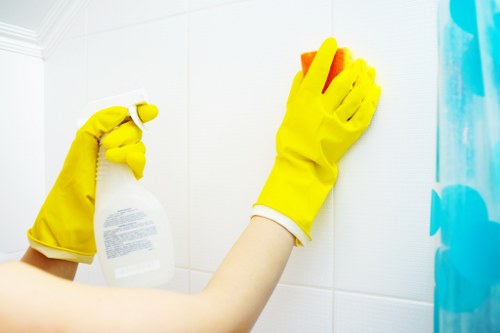
The right tools can greatly improve the effectiveness of house cleaning. Basic supplies such as microfiber cloths, a vacuum cleaner, a mop, disinfectant spray, glass cleaner, and scrub brushes are often enough for most routine tasks. Quality tools reduce effort and help deliver better results with less frustration.
Microfiber cloths are especially useful because they trap dust instead of spreading it around. A good vacuum can remove dirt from carpets, rugs, and upholstery more efficiently than sweeping alone. For hard floors, a mop paired with the right cleaning solution helps keep surfaces spotless without leaving residue behind.
When choosing products, consider the specific materials in your home. Wood, tile, stone, stainless steel, and fabric each respond differently to various cleaners. Using the wrong product can damage surfaces or leave streaks and buildup. For safer house cleaning, many households prefer gentle formulas that are effective without being overly harsh.
Natural cleaning options are also popular. Vinegar, baking soda, and lemon are often used for certain tasks, though they are not ideal for every surface. If you choose natural methods, use them strategically and test them first on delicate materials. The best cleaning toolkit is the one that fits your home, your schedule, and your preferences.
Must-Have Cleaning Supplies Checklist
- Microfiber cloths
- Vacuum cleaner with attachments
- Bucket and mop
- All-purpose cleaner
- Glass cleaner
- Bathroom disinfectant
- Scrub brushes and sponges
- Trash bags and liners
- Rubber gloves
- Dusting wand or extendable duster
Having these supplies ready makes house cleaning more efficient because you spend less time searching for tools. Organization also helps when you need to clean quickly before guests arrive or before starting a deep-cleaning project. A well-stocked cleaning kit is one of the simplest ways to improve home maintenance.
Storage Tip:
Keep supplies in a portable caddy or labeled cabinet so everything stays accessible. This small habit supports faster and more organized cleaning sessions.Deep Cleaning vs. Regular House Cleaning
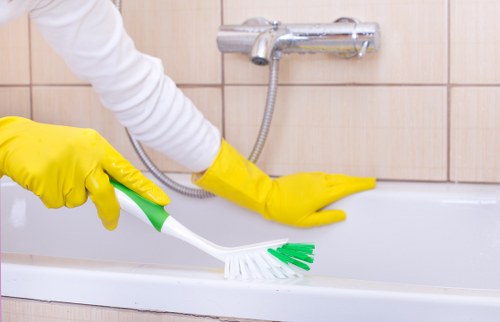
Regular cleaning and deep cleaning are both important, but they serve different purposes. Regular house cleaning focuses on upkeep: wiping, sweeping, vacuuming, sanitizing, and tidying. Deep cleaning, on the other hand, involves more intensive work such as cleaning behind furniture, scrubbing grout, washing vents, and removing built-up grime from overlooked areas.
Deep cleaning is usually done less often, perhaps seasonally or before major events. It helps reset the home and address places that routine cleaning cannot fully reach. This type of house cleaning may require more time and energy, but it makes a big difference in the overall freshness of the home.
A practical approach is to rely on regular cleaning for maintenance and schedule deep cleaning periodically. That way, dirt never has the chance to build up too much. Homes that are deep cleaned on a regular basis also tend to stay cleaner between sessions because problem areas are kept under control.
Some deep cleaning tasks include washing window tracks, cleaning ceiling fans, scrubbing tile grout, sanitizing trash bins, cleaning baseboards, and moving furniture to vacuum underneath. These tasks can be done one room at a time to avoid exhaustion. Many people choose to book professional help for deep cleaning when time is limited or when the work feels too demanding.
How Professional House Cleaning Services Add Value
Professional house cleaning services are a practical option for busy households, growing families, seniors, and anyone who wants more free time. Hiring professionals can reduce the pressure of keeping up with chores while still ensuring that the home receives consistent, high-quality care. For many people, this is one of the most effective ways to maintain a clean environment without sacrificing evenings or weekends.
Professional cleaners often bring experience, systems, and specialized tools that improve efficiency. They know how to clean different surfaces safely, how to handle tough buildup, and how to move through a home methodically. This can lead to more thorough results than rushed cleaning done in a hurry after a long day.
Another advantage is customization. Some households need weekly service, while others prefer biweekly or monthly visits. Others may want help with specific tasks such as bathrooms, kitchens, or deep-cleaning projects. This flexibility makes professional house cleaning a useful solution for different lifestyles and budgets.
If you choose this route, it helps to define your priorities clearly. For example, you might want a focus on floors, dusting, sanitizing, or detailed bathroom cleaning. The clearer your expectations, the better the outcome. Book your service now if you want to turn home maintenance into a simpler and more manageable part of your routine.
House Cleaning Tips for Faster and Better Results
Speed and quality can work together when you use the right methods. One of the best house cleaning strategies is to clean from top to bottom. Dust falls downward, so starting with higher surfaces and finishing with floors prevents repeating work. Another helpful method is to work left to right within a room so you do not miss areas accidentally.
Decluttering before you clean also improves results. It is much easier to vacuum, wipe, and dust surfaces when items are put away first. This is especially useful in living rooms, kitchens, and bedrooms where everyday items tend to pile up. The less clutter you face, the faster your cleaning session will go.
Using timers can also help. Many people find that cleaning for short, focused intervals is more effective than trying to do everything in one exhausting stretch. Set a timer for 20 or 30 minutes and tackle one zone at a time. This creates momentum and makes house cleaning feel more achievable.
Here are a few more helpful habits:
- Clean spills immediately before they set.
- Do a quick nightly reset of key areas.
- Keep supplies in each major floor of the home.
- Wash linens regularly to reduce dust and odors.
- Use doormats to limit dirt entering the house.
Seasonal House Cleaning Tasks Worth Remembering
Seasonal maintenance is an important part of keeping a home fresh and functional. Spring, summer, fall, and winter all present different challenges, and a good house cleaning routine should adapt accordingly. Seasonal tasks usually involve the spaces and items that routine cleaning may not fully address.
In spring, many homeowners focus on windows, closets, ceiling fans, and dust-heavy areas. Summer cleaning might include freshening up entryways, cleaning patio doors, and managing extra foot traffic. Fall is a good time to prepare for indoor living by checking vents, organizing storage, and removing buildup from the summer months. Winter often calls for attention to mud, salt, and wet floors near entrances.
These seasonal tasks help the house stay in better shape throughout the year. They also make the home feel refreshed, which can be motivating. Even if your daily routine is simple, seasonal deep tasks can keep your house cleaning efforts strong and effective.
Common House Cleaning Mistakes to Avoid
Even well-intentioned cleaning can fall short if certain mistakes are repeated. One common issue is using too much product. Excess cleaner can leave residue and attract more dirt. Another mistake is skipping high-touch surfaces such as light switches, handles, remotes, and faucet knobs. These areas often collect germs and should be included in any effective house cleaning routine.
Many people also clean in the wrong order, which leads to extra work. For example, vacuuming before dusting may mean you have to vacuum again after particles settle. Others may forget to replace cleaning cloths or sponges often enough, spreading grime instead of removing it. Clean tools are just as important as clean surfaces.
Another issue is inconsistency. Cleaning only when a space looks obviously dirty often means the task becomes harder than it needs to be. Regular care is less stressful and more effective. If maintaining a routine feels difficult, simplify the process and focus on the most important tasks first. Good house cleaning is not about perfection; it is about consistency and progress.
To stay on track, remember these best practices:
- Use the right cleaner for each surface.
- Work from top to bottom.
- Clean high-touch areas regularly.
- Replace dirty cloths and sponges.
- Stick to a realistic schedule.
Making House Cleaning a Habit Instead of a Chore
The easiest way to maintain a clean home is to turn house cleaning into a habit. Habits require less mental effort than one-time projects because they become part of everyday life. Small, repeated actions create long-term results. Making the bed, wiping counters, and putting items back after use may seem minor, but these habits have a powerful effect over time.
Families often benefit from shared routines. When everyone contributes, the responsibility feels lighter and the home stays better organized. Children can help with age-appropriate tasks, and adults can divide work based on availability and ability. Even in a single-person household, simple routines make it easier to keep things in order without feeling overwhelmed.
It can also help to pair cleaning with another habit. For example, wipe bathroom counters after brushing teeth, or spend ten minutes tidying before dinner. These small associations make house cleaning feel more natural and less like a separate burden. Over time, the home becomes easier to maintain because mess never gets too far ahead.
Contact us today if you want support keeping your home clean, organized, and consistently maintained. Whether you need occasional help or recurring service, the right approach can make home care much more manageable.
Final Thoughts on House Cleaning
House cleaning is more than a household task; it is a foundation for healthier, more comfortable living. A clean home can improve air quality, reduce stress, protect surfaces, and make everyday life easier. Whether you manage cleaning on your own or rely on professional support, the most important thing is consistency. Small efforts repeated over time create a home that feels welcoming and well cared for.
By building a realistic schedule, using the right tools, and focusing on room-specific priorities, house cleaning becomes much easier to manage. Deep cleaning can then be added periodically to refresh the home and address neglected areas. With the right system, cleaning no longer feels like an endless burden—it becomes a practical part of maintaining a better lifestyle.
If your goal is a home that looks great and feels comfortable every day, start with a plan you can sustain. Keep tasks simple, stay organized, and adjust as your needs change. For many households, the difference between stress and ease comes down to a consistent house cleaning routine. Take the next step today and book your service now to enjoy a cleaner home with less effort.