Communal Area Cleaning: Keeping Shared Spaces Safe, Fresh, and Welcoming
Why Communal Area Cleaning Matters in Shared Buildings

Communal area cleaning plays a vital role in maintaining the comfort, safety, and visual appeal of shared properties. Whether it is an apartment block, office complex, student accommodation, or mixed-use building, the common spaces people pass through every day shape their overall experience. Clean hallways, tidy lobbies, polished staircases, and sanitized touchpoints create a positive impression immediately.
In many buildings, communal areas are used by dozens or even hundreds of people each day. That level of traffic means dirt, dust, bacteria, and clutter can build up quickly. A structured approach to communal area cleaning helps prevent unpleasant odors, reduces slip hazards, and supports better hygiene for everyone who lives, works, or visits there.
For property managers and landlords, maintaining these areas is not just about appearances. It also helps protect assets, extend the life of flooring and fixtures, and encourage responsible use of shared facilities. Well-kept shared spaces communicate care, professionalism, and attention to detail.
What Communal Area Cleaning Includes
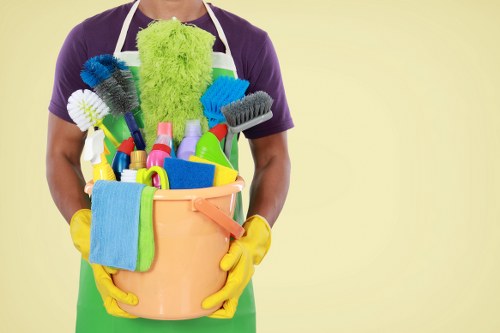
Effective communal area cleaning covers a wide range of tasks, and the exact checklist may vary depending on the property type. In most settings, it includes routine cleaning of high-traffic surfaces, flooring, glass, entrances, elevators, and other shared touchpoints. The aim is to keep the space clean, hygienic, and presentable throughout the day.
Typical communal area cleaning tasks may include:
- Sweeping, vacuuming, and mopping floors
- Dusting skirting boards, ledges, and handrails
- Cleaning entrance doors, mail areas, and reception points
- Sanitizing switches, buttons, and frequently touched surfaces
- Removing litter and maintaining bin areas
- Cleaning mirrors, glass panels, and internal windows
In larger buildings, communal area cleaning can also involve maintaining lifts, shared kitchens, laundry rooms, washrooms, and stairwells. These spaces require consistent attention because they are often the most heavily used and the fastest to show signs of dirt or wear.
Benefits of Regular Communal Area Cleaning
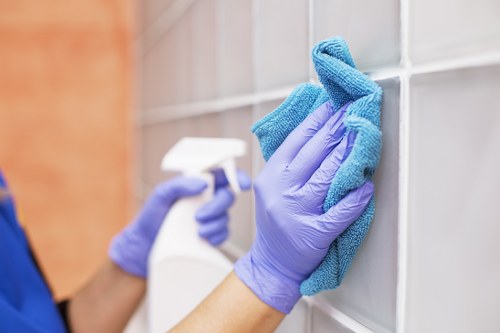
The benefits of regular communal area cleaning go far beyond a tidy appearance. Clean shared spaces can improve health outcomes, reduce complaints, and make a building feel more comfortable and organized. When cleaning is performed consistently, residents and staff notice the difference right away.
One major benefit is hygiene. Shared surfaces can harbor germs and allergens, especially in buildings with heavy foot traffic. Routine cleaning helps reduce contamination and supports a healthier environment. This is particularly important in apartment blocks, office settings, and educational accommodation where many people use the same facilities.
Another advantage is safety. Dust, spilled liquids, and debris can create slip or trip hazards if not addressed quickly. Reliable communal area cleaning helps prevent accidents and keeps access routes clear. This matters most in stairwells, corridors, and entrance areas where visibility and traction are essential.
Communal Area Cleaning for Different Property Types
Not every building has the same cleaning needs, which is why communal area cleaning should be adapted to the property type. A residential block may require a different routine than a commercial office building or a mixed-use development. Understanding these differences helps create a cleaning plan that is realistic and effective.
In residential buildings, the focus is often on entrances, hallways, lifts, staircases, bin stores, and shared amenities. Residents expect these areas to be tidy and free from odors, dust, and debris. A dependable cleaning routine contributes to a sense of pride in the building and helps limit disputes about shared responsibilities.
In office environments, communal area cleaning usually centers on lobbies, corridors, meeting areas, kitchens, and washrooms. Because these spaces are part of the company’s image, cleanliness has a direct impact on how clients, staff, and visitors perceive the business. Professional cleaning in these spaces supports productivity and workplace wellbeing.
Student Accommodation and High-Traffic Living Spaces
Student housing often requires especially frequent communal area cleaning because many people share a relatively compact space. Kitchens, bathrooms, lounges, and hallways can become messy very quickly. Regular cleaning helps maintain order, reduce pest risks, and improve the living experience for students and property staff alike.
Key Areas That Need Attention
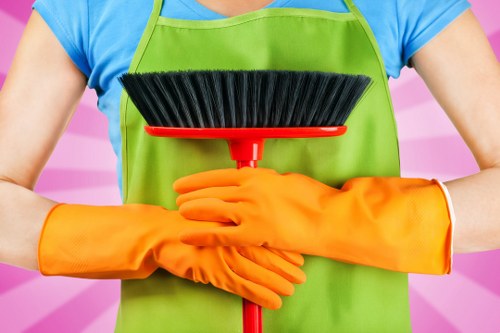
Some parts of a building need more attention than others due to constant use. When planning communal area cleaning, it is important to prioritize high-contact and high-traffic zones. These are the places most likely to collect dirt, fingerprints, and bacteria.
Areas commonly prioritized include:
- Entrances and lobbies – the first impression of the building
- Staircases – areas prone to dust, debris, and scuff marks
- Lifts and elevator buttons – high-touch surfaces requiring sanitation
- Corridors – often overlooked but highly visible spaces
- Mailbox areas – prone to clutter, litter, and fingerprints
- Bin rooms and waste collection points – need regular deodorizing and disinfection
- Shared kitchens and washrooms – require thorough hygiene standards
Addressing these spaces consistently ensures the whole property feels clean rather than only certain visible sections. A building can only be considered well maintained when its shared spaces are cared for from end to end.
How a Professional Communal Area Cleaning Routine Works
A structured communal area cleaning routine typically begins with an assessment of the property. This helps identify the busiest areas, the frequency of use, and any specific maintenance issues such as stains, odors, or recurring litter problems. From there, a schedule can be designed to match the building’s needs.
A standard routine may include daily tasks for high-traffic spaces, weekly deep cleaning for more detailed work, and periodic maintenance for harder-to-reach areas. The exact schedule should reflect the number of occupants, the type of flooring, and the level of use. Flexibility is important because a one-size-fits-all approach rarely works in shared environments.
Professional cleaners often work from a checklist to ensure consistency. This checklist helps make sure nothing is missed, and it creates accountability for both routine and deep-cleaning tasks. Good communication between the service provider, building management, and residents also supports better results.
Health, Hygiene, and Infection Control
One of the strongest reasons to invest in communal area cleaning is to support hygiene and infection control. Shared buildings naturally involve repeated contact with common surfaces, which can spread germs if not managed properly. Regular cleaning reduces this risk significantly.
High-touch points such as door handles, handrails, push plates, lift controls, and shared tables should be disinfected frequently. In communal kitchens and bathrooms, cleaning must be especially thorough to prevent the spread of bacteria and unpleasant odors. A sanitary environment also improves confidence among occupants, who feel reassured that shared areas are being properly maintained.
Good hygiene practices are not only about cleaning products; they also depend on process. Cleaners should follow sensible workflows, use appropriate equipment, and avoid cross-contamination by switching cloths, mops, or sanitizing agents when needed. These small details can make a big difference in overall cleanliness.
Equipment and Products Used in Communal Area Cleaning
Effective communal area cleaning depends on the right tools and cleaning solutions. The equipment needed will vary depending on the property layout and the surfaces being cleaned, but certain items are commonly used across most buildings. The goal is to clean efficiently while protecting floors, fixtures, and occupants.
Common tools and products include:
- Commercial vacuum cleaners for carpets and mats
- Mops and microfiber cloths for hard floors and surfaces
- Eco-friendly detergents and disinfectants
- Glass cleaning products for doors and windows
- Deodorizing solutions for waste and bin areas
- Warning signs for wet floors and temporary hazards
Many properties now prefer environmentally conscious cleaning products. These solutions can reduce harsh chemical exposure while still delivering strong results. In shared buildings where people of all ages use the space, safer and more sustainable cleaning choices are often a smart investment.
Why Consistency Matters in Shared Spaces
Consistency is one of the defining features of successful communal area cleaning. A space that is cleaned thoroughly one week but neglected the next can quickly lose its appeal. Shared areas are always in use, so they need steady maintenance rather than occasional attention.
Regular cleaning helps prevent grime from becoming embedded in surfaces. It also makes each session more efficient because there is less buildup to remove. This can lower long-term maintenance costs and reduce the need for intensive restoration work on floors, walls, and fittings.
Consistency also supports trust. When residents, employees, or visitors see that communal spaces are always looked after, they are more likely to treat the area with respect. Clean buildings encourage cleaner behavior. That simple principle can improve the condition of the entire property over time.
Common Problems in Communal Area Cleaning
Every building presents challenges, and communal area cleaning is no exception. Common issues include heavy footfall, inconsistent waste disposal, poor ventilation, and unexpected spills. In some cases, a building may also experience repeated misuse of shared areas, which makes maintenance more demanding.
Some of the most common problems are:
- Litter accumulation near entrances or lifts
- Fingerprints on glass and metal surfaces
- Dust build-up on ledges, lights, and corners
- Odors from waste bins or poor ventilation
- Stains on carpets, mats, or upholstery
- Clutter left in hallways or shared rooms
Addressing these issues early is much easier than waiting until they become chronic problems. A proactive approach to communal area cleaning helps keep the building presentable and reduces the time spent on corrective work.
How to Choose the Right Cleaning Schedule
Choosing the right schedule for communal area cleaning depends on occupancy levels, building layout, and usage patterns. A quiet residential block may need less frequent attention than a busy office tower or student residence. The best schedules are based on actual need rather than guesswork.
When setting a schedule, consider:
- How many people use the building daily
- Which areas experience the most traffic
- Whether the property has shared kitchens or washrooms
- How quickly dirt or litter appears after cleaning
- Whether seasonal factors increase mud, moisture, or debris
In some cases, daily cleaning may be necessary for entrance halls, lifts, and washrooms, while weekly attention may be enough for lower-traffic zones. The important thing is to keep standards high and adjust the schedule if problems begin to reappear.
Role of Property Managers and Occupants
Although professional cleaners handle the hands-on work, successful communal area cleaning also depends on cooperation from property managers and occupants. Managers play a key role in organizing schedules, communicating expectations, and ensuring that service levels meet the needs of the building. Occupants also contribute by using shared spaces responsibly.
Simple habits can make a big difference. These include disposing of litter properly, avoiding blockages in hallways, reporting spills promptly, and keeping personal items out of shared routes. When everyone contributes, the cleaning team can focus on maintaining standards rather than constantly dealing with preventable mess.
Shared responsibility creates better shared spaces. This mindset is especially important in communal environments where multiple people influence the overall condition of the building every day.
Seasonal Considerations for Communal Area Cleaning
Different seasons create different cleaning demands. In winter, communal area cleaning often needs to deal with mud, rainwater, salt residue, and wet footprints. These can make floors dirty faster and increase slip risks. Entrance mats, drying routines, and frequent floor maintenance become especially important during colder months.
In spring and summer, dust, pollen, and increased ventilation can affect cleaning needs. Open windows may bring in more airborne particles, while warmer weather can make odors more noticeable in bin rooms and shared kitchens. As conditions change, the cleaning routine should adapt to maintain a fresh and healthy environment.
Seasonal planning is a practical way to stay ahead of recurring issues. It helps ensure that communal spaces remain comfortable throughout the year, not just during quiet periods.
Communal Area Cleaning and First Impressions
First impressions matter in every property, and communal areas are often the first thing people notice. A spotless entrance, clean walls, polished floors, and fresh-smelling hallways set the tone for the rest of the building. This is why communal area cleaning is closely connected to perceived quality and value.
For residential buildings, clean shared spaces can improve satisfaction among tenants and visitors. For commercial properties, they contribute to a professional image that reflects well on the organization. In both cases, the state of the communal area can influence how people feel about the property as a whole.
When shared spaces look cared for, the entire building feels more welcoming. That sense of order can make a meaningful difference in daily life and long-term property reputation.
Environmental and Sustainable Approaches
Modern communal area cleaning can be both effective and environmentally responsible. Many properties now prefer low-toxicity products, reusable microfiber materials, and efficient equipment that reduces water and chemical use. These choices support sustainability while still achieving high cleaning standards.
Sustainable cleaning methods may include:
- Using concentrated, eco-friendly cleaning solutions
- Choosing refillable dispensers to reduce packaging waste
- Reducing single-use cleaning materials where possible
- Implementing energy-efficient vacuum and floor-care equipment
- Separating waste correctly in communal bin areas
These practices are increasingly important to modern occupants, who often value environmental responsibility as much as cleanliness. A greener approach can also align with broader building management goals and corporate sustainability initiatives.
Why Professional Support Makes a Difference
While some minor upkeep can be handled in-house, professional support often delivers better and more reliable communal area cleaning. Experienced cleaners understand how to work efficiently in shared spaces, how to protect surfaces, and how to maintain standards in busy environments. They also bring the right equipment and a consistent process.
Professional cleaning teams are especially helpful for buildings that have demanding schedules, special flooring, or frequent occupancy changes. Their expertise can reduce the risk of missed tasks and provide a more polished finish overall. For many properties, outsourcing this work is the most practical way to preserve quality.
Whether a building is large or small, regular expert cleaning helps keep shared areas attractive, hygienic, and ready for use. If your property needs dependable support, contact us today to discuss the right cleaning arrangement for your space.
Final Thoughts on Communal Area Cleaning
Communal area cleaning is a crucial part of property maintenance that affects health, safety, appearance, and overall user satisfaction. Clean shared spaces create a better environment for residents, staff, visitors, and management alike. They help buildings look more cared for, function more smoothly, and feel more welcoming every day.
From entrances and stairwells to kitchens, lifts, and corridors, each shared area benefits from regular attention. A consistent plan, the right equipment, and strong cooperation between occupants and property managers all contribute to better results. When these elements come together, communal spaces stay fresher for longer and become easier to maintain.
If you want to improve the standard of your shared spaces, book your service now and take the next step toward cleaner, safer, and more professional communal areas.