Deep Cleaning in Homes and Businesses: A Practical Approach to a Cleaner, Healthier Space
Deep cleaning is more than a quick tidy-up or a surface-level dusting. It is a focused, detailed process designed to remove built-up dirt, grime, allergens, and hidden bacteria from every important area of a property. Whether you are maintaining a busy family home, preparing a rental for new tenants, or keeping a workplace safe and presentable, deep cleaning plays a major role in creating a healthier environment. In many situations, regular cleaning simply is not enough. Over time, dust settles in forgotten corners, grease collects on kitchen surfaces, soap scum hardens in bathrooms, and high-touch areas become breeding grounds for germs. That is where deep cleaning makes a noticeable difference.
For many property owners, deep cleaning is also an opportunity to reset a space. It improves the appearance of interiors, reduces odors, and helps surfaces last longer. A well-executed deep cleaning routine can make a room feel brighter, fresher, and more comfortable almost immediately. It is also useful before special events, after renovations, during seasonal transitions, or whenever a space has simply fallen behind. Because of its results, deep cleaning has become one of the most searched and requested cleaning services for both homes and businesses.
Another reason deep cleaning matters is that it supports everyday wellness. Dust, mold spores, pet dander, and other irritants can accumulate in neglected areas and affect indoor air quality. In offices, shared kitchens, reception areas, and washrooms, those same concerns can influence employee comfort and visitor impressions. A proper deep cleaning routine can help control these issues, making the environment more pleasant and hygienic. If you want a property that looks cared for and feels refreshed, deep cleaning should be part of your maintenance plan.
What Deep Cleaning Really Means
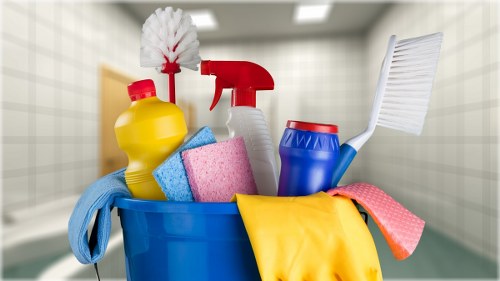
Deep cleaning is a thorough, top-to-bottom cleaning process that targets areas often overlooked during routine maintenance. Instead of just wiping visible surfaces, it focuses on removing embedded dirt and buildup from corners, edges, fixtures, and hard-to-reach spaces. This may include detailed scrubbing of kitchen appliances, sanitizing bathroom grout, cleaning vents and baseboards, and washing surfaces behind furniture or equipment.
Unlike general cleaning, which is often performed weekly or daily, deep cleaning is usually done on a less frequent schedule. It may be seasonal, monthly, quarterly, or tied to specific events such as moving, post-construction cleanup, or preparing a property for inspection. The exact frequency depends on the size of the space, how many people use it, and how quickly dirt accumulates.
One of the biggest benefits of deep cleaning is that it reaches the places most people forget. These include under furniture, around light switches, behind toilets, inside cabinets, and along trim. When these hidden areas are cleaned properly, the result is not just visual improvement but a more sanitary and comfortable environment overall.
Why Deep Cleaning Matters for Every Property

Every property accumulates dirt in different ways, but the need for deep cleaning is universal. In homes, daily life leaves behind fingerprints, crumbs, dust, pet hair, and bathroom residue. In businesses, foot traffic, shared equipment, and constant use can quickly create an unclean appearance if surfaces are not detailed regularly. Deep cleaning helps address all of these concerns before they turn into bigger problems.
From a health perspective, a deep cleaning service can reduce allergens and bacteria that build up in carpets, upholstery, flooring, and upholstery seams. This is especially valuable for households with children, older adults, or anyone with sensitivities. In workplaces, improved cleanliness can support productivity and create a more professional atmosphere for clients and staff.
There is also a maintenance advantage. Dirt and grime are not just unattractive; they can cause wear over time. Grease can damage kitchen surfaces, mineral deposits can affect bathroom fixtures, and dust can interfere with electronics and vents. Regular deep cleaning helps preserve the condition of materials and can reduce the need for costly repairs or replacements.
Areas Commonly Targeted During Deep Cleaning
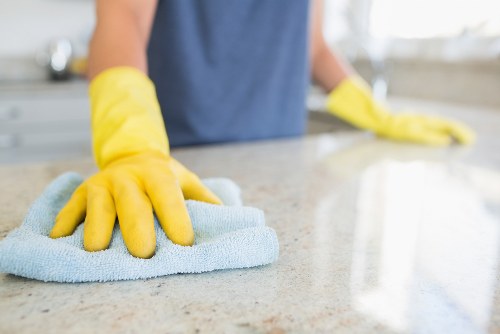
Deep cleaning covers more than floors and countertops. It focuses on the full property, including high-use and hidden areas that are often ignored during routine work. The goal is to clean every section with attention to detail so the overall space feels refreshed and truly sanitary. A good deep cleaning plan usually includes the following zones:
- Kitchens, including appliances, cabinet fronts, sinks, and backsplashes
- Bathrooms, including tubs, showers, grout, toilets, and tile edges
- Bedrooms and living areas, including baseboards, furniture, and under-bed spaces
- Entryways and hallways, where dirt is tracked in from outside
- Windows, blinds, vents, and ceiling fans
- Light switches, handles, railings, and other high-touch points
- Storage areas, closets, and corners where dust often settles
These are the places that often make the biggest visual and hygienic difference when they are properly cleaned. A room may look tidy on the surface, yet still feel stale because dust or grease has been allowed to build up in overlooked spots. That is why deep cleaning goes beyond appearance and focuses on the entire environment.
For larger properties, it is often best to divide the deep cleaning process by room or zone. This makes the work more manageable and ensures no area is missed. A structured approach also helps maintain consistency, especially when deep cleaning is performed by a team.
Deep Cleaning in Homes: Creating a Comfortable Living Space
Homeowners often notice the impact of deep cleaning immediately. A freshly cleaned home feels lighter, smells better, and looks more organized. Because family life creates constant activity, homes can collect dust and grime quickly. Kitchens get greasy, bathrooms gather soap residue, and floors need more than a quick sweep to stay truly clean. A deep cleaning session addresses these issues in a way that regular upkeep cannot.
Many households choose deep cleaning before holidays, after parties, during spring cleaning, or when preparing for guests. Others use it as part of a recurring maintenance schedule. In either case, the process often includes cleaning behind and under furniture, washing skirting boards, sanitizing door handles, and paying attention to neglected corners. The result is a more inviting home that feels better to live in.
Deep cleaning is especially helpful in homes with pets or children. Pet fur can settle into fabrics and vents, while toys, crumbs, and spills can create hidden messes in play areas. A detailed deep cleaning routine helps manage these challenges while supporting a more hygienic home environment. It also gives homeowners peace of mind that the spaces they use daily are properly cared for.
Kitchens Need Special Attention
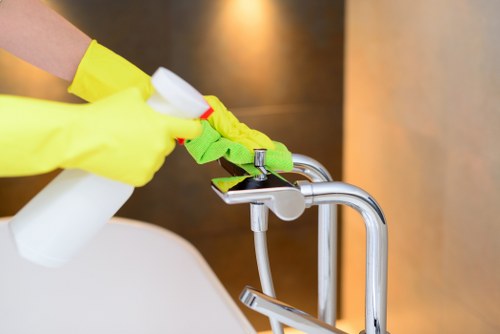
The kitchen is one of the most important areas to include in any deep cleaning plan. It is used constantly and contains surfaces where grease, food particles, and moisture can build up quickly. Cabinets, drawers, appliance exteriors, sinks, and backsplash tiles all require more than a simple wipe-down if the goal is true cleanliness.
Deep kitchen cleaning may involve degreasing stovetops, cleaning inside microwaves, wiping the tops of cabinets, sanitizing countertops, scrubbing sinks, and cleaning around and behind appliances. Refrigerator shelves, oven doors, and dishwasher edges are also common areas for grime accumulation. When these surfaces are detailed properly, the kitchen not only looks cleaner but also feels more sanitary for food preparation.
H4: Smart kitchen deep cleaning priorities
- Remove food residue from hidden corners and seams
- Sanitize handles and frequently touched appliance surfaces
- Descale sinks and taps where mineral buildup appears
- Clean under appliances where crumbs and dust collect
- Polish visible surfaces for a brighter finish
For families who cook often, this part of deep cleaning can make a big difference in daily comfort. It also helps reduce odors and maintain a more polished appearance throughout the home.
Bathrooms and Hygiene: Where Deep Cleaning Makes the Biggest Impact
Bathrooms are another high-priority area for deep cleaning because moisture creates the perfect environment for soap scum, mildew, and bacteria. Even when a bathroom appears clean, buildup can hide around fixtures, behind toilets, inside drains, and in tile grout. That is why a surface-level clean is usually not enough.
A strong bathroom deep cleaning routine includes scrubbing tubs and showers, removing buildup from tiles, disinfecting toilets, polishing sinks, and wiping all high-touch surfaces. Mirrors, shelves, towel bars, and cabinet fronts should also be cleaned carefully. Grout and silicone seals may require extra attention if mildew or discoloration has started to appear.
H5: Bathroom details that are easy to forget
- Behind and around the toilet base
- Shower door tracks and frame edges
- Sink drains and faucet bases
- Vent covers and ceiling corners
- Cabinet handles and drawer pulls
Bathrooms cleaned with this level of attention tend to smell fresher and feel more comfortable right away. In shared homes and business restrooms alike, that matters more than many people realize.
Deep Cleaning for Businesses and Workplaces
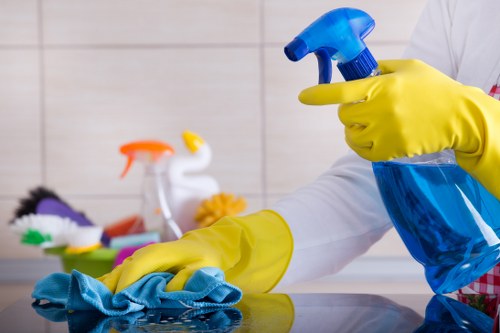
Businesses benefit greatly from deep cleaning because appearance and hygiene directly affect customer confidence and employee morale. Offices, retail locations, clinics, and hospitality spaces all need a higher standard of cleanliness than a quick daily refresh can provide. A detailed cleaning routine helps maintain a professional image and supports a healthier workplace.
In office environments, deep cleaning often includes dusting desks, sanitizing shared equipment, cleaning conference tables, vacuuming fabric furniture, and addressing baseboards and vents. In customer-facing businesses, the focus may also include glass, reception areas, floors, and washrooms. These spaces create the first impression for visitors, so cleanliness should never be overlooked.
Businesses also face heavier traffic, which means dirt and wear can accumulate quickly. Commercial deep cleaning helps preserve flooring, improve indoor air quality, and reduce the spread of germs in shared spaces. For organizations that want to maintain a dependable, polished environment, this type of service is a practical investment rather than a luxury.
When Should You Schedule Deep Cleaning?
There is no single answer for how often deep cleaning should happen, because every property is different. However, most homes and businesses benefit from scheduling it regularly instead of waiting until visible problems appear. A useful way to plan is by looking at how the space is used and how quickly buildup occurs.
For homes, seasonal deep cleaning is common, especially in spring and before major holidays. Families with pets, children, or high activity levels may need it more often. For businesses, monthly or quarterly deep cleaning may be more suitable, depending on foot traffic and the type of work being done.
Typical moments when deep cleaning makes sense include:
- Before moving into a new property
- After moving out of a home or office
- After renovations or construction work
- Before special events or open houses
- At the change of seasons
- When odors or buildup become noticeable
Planning ahead allows the process to feel manageable. It also helps keep the property in better condition over the long term, reducing the need for intensive catch-up cleaning later.
DIY Deep Cleaning vs Professional Deep Cleaning
Some people prefer to handle deep cleaning themselves, especially in smaller homes or when they want to control every detail. DIY cleaning can be effective if you have enough time, the right supplies, and a clear plan. It often works well for routine seasonal resets or lighter detailed work.
However, professional deep cleaning offers major advantages in terms of speed, consistency, and results. A trained team usually brings specialized tools, stronger cleaning products, and experience working in different environments. That means difficult areas such as grout, grease buildup, upholstery, vents, and neglected corners can often be treated more effectively.
Professional services can also reduce stress. Instead of spending a full weekend on labor-intensive tasks, property owners can rely on experienced cleaners to handle the job efficiently. For large homes, busy offices, or spaces that need an especially detailed reset, hiring experts is often the smarter choice.
Tools and Supplies That Support Better Results
The success of deep cleaning often depends on having the right tools. While some tasks can be completed with basic household products, detailed cleaning usually requires a more strategic set of supplies. Quality tools save time, improve results, and make it easier to reach difficult spots.
Common deep cleaning supplies include microfiber cloths, scrub brushes, disinfectants, degreasers, vacuum attachments, mop systems, grout cleaners, glass polishers, and dusters with extendable handles. For carpets and upholstery, steam or extraction tools may also be useful. The right combination depends on the property and the level of buildup involved.
It is also important to use products safely and correctly. Surfaces vary, and not every cleaner is suitable for every material. Reading labels, testing products on small areas, and using gloves where needed can protect both the person cleaning and the surfaces being treated. Safe methods are an essential part of effective deep cleaning.
How Deep Cleaning Supports Long-Term Property Care
One of the most overlooked benefits of deep cleaning is long-term preservation. Regular attention to buildup helps extend the life of floors, countertops, appliances, fabric furniture, and fixtures. Dirt and residue may seem harmless at first, but over time they can stain, dull, or damage materials.
By removing grime before it becomes embedded, deep cleaning helps preserve a property’s value and appearance. That matters for homeowners, landlords, property managers, and business owners alike. Clean spaces are easier to maintain, more appealing to occupants, and less likely to develop avoidable problems. Even simple habits like cleaning vents, baseboards, and window tracks can have a noticeable effect over time.
There is also a psychological benefit. A clean, organized environment often feels more relaxing and easier to manage. When a space is free from visible clutter and hidden dirt, people tend to take better care of it. In that way, deep cleaning can influence not just the property itself but the habits of the people who use it.
Deep Cleaning Tips for Better Everyday Maintenance
Although deep cleaning is detailed and time-consuming, a few consistent habits can make the process easier. Small maintenance steps reduce buildup and keep the property in better shape between sessions. The more regularly a space is cared for, the less intensive each deep cleaning session will need to be.
- Wipe spills immediately before they harden or stain
- Vacuum and sweep high-traffic areas often
- Dust vents, shelves, and corners on a schedule
- Sanitize handles and switches routinely
- Clean bathrooms and kitchens before buildup becomes heavy
- Declutter storage spaces to make detailed cleaning easier
These habits do not replace deep cleaning, but they do support it. They help create a cleaner baseline, which means the next detailed session will be easier and more effective. For busy households and commercial spaces, this can save time and effort in the long run.
Final Thoughts on Choosing Deep Cleaning
Deep cleaning is one of the most effective ways to restore freshness, hygiene, and comfort to any property. It reaches beyond the obvious and tackles the buildup that daily maintenance often misses. Whether you need it for your home, office, rental property, or commercial space, the benefits are clear: improved cleanliness, better air quality, stronger first impressions, and longer-lasting surfaces.
By making deep cleaning part of your regular property care routine, you can prevent problems before they become expensive or time-consuming. You also create an environment that feels better to live and work in every day. From kitchens and bathrooms to shared work areas and hidden corners, the impact is noticeable in both appearance and function.
If your space has started to feel dull, dusty, or harder to maintain, now is the perfect time to take action. Book your service now and experience the difference that a professional deep cleaning approach can make. For homes and businesses that deserve a true reset, contact us today and take the first step toward a cleaner, healthier space.