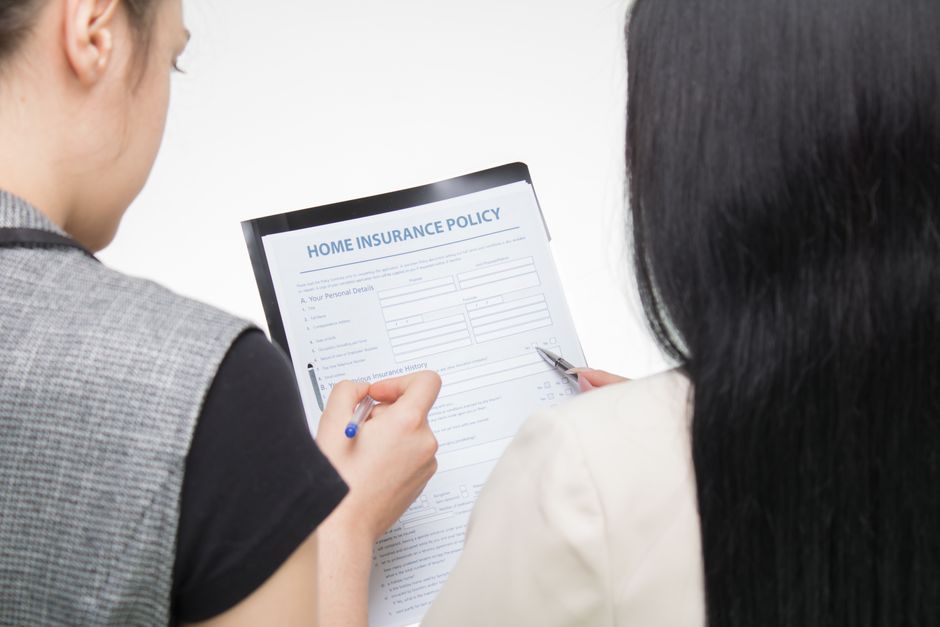
Licensed Cleaners Lambeth Insurance Standards Explained
If you are comparing cleaners in Lambeth, insurance is one of those details that can seem dull right up until something goes wrong. Then it suddenly becomes the detail that matters most. This guide to Licensed Cleaners Lambeth Insurance Standards Explained breaks down what good cover looks like, why it matters, and how to tell whether a cleaner is properly set up for your home, flat, or business.
We will keep it practical. No jargon for the sake of it. You will learn what "licensed" usually means in everyday cleaning work, what insurance should cover, what standards you should expect, and the checks worth making before you hand over the keys. If you are booking a one-off clean, arranging deep cleaning, or sorting regular help through regular cleaning, the same basic principles still apply.
Truth be told, most people only ask about insurance after a problem. Better to ask now. It takes a few minutes, and it can save a lot of hassle later.
- Why these insurance standards matter
- How insurance and licensing work in practice
- Key benefits for customers and property owners
- Who should pay close attention to this
- A simple step-by-step checking process
- Expert tips for choosing better
- Common mistakes to avoid
- Useful resources and service links
- Compliance and best practice basics
- Insurance and service comparison
- Real-world example
- Practical checklist
- Conclusion
- Frequently asked questions
Why Licensed Cleaners Lambeth Insurance Standards Explained Matters
Insurance is not just a nice extra. For cleaning work, it is part of the safety net that protects you, the cleaner, and the property itself. In a busy area like Lambeth, where you have everything from compact flats and shared buildings to offices and short-let properties, the risk profile changes from job to job. A spill on carpet is one thing. A damaged oven glass panel, a broken window latch, or water intrusion in a shared hallway is another entirely.
When people ask about insurance standards, they are really asking a few different questions at once:
- Will the cleaner take responsibility if they damage something?
- Are staff trained to work safely in occupied spaces?
- Does the business operate with sensible, traceable procedures?
- Can I trust them around keys, access codes, and vulnerable areas?
Those questions matter whether you need house cleaning, office cleaning, or something more specialist like end of tenancy cleaning. Insurance is not a badge of perfection, but it is a strong sign that a company understands responsibility. And in this line of work, responsibility counts.
Another reason it matters: many customers assume "licensed" means the same thing as "insured". It usually does not. Licensing can refer to business registration, local operating permissions, or simply the way a company presents itself as established and legitimate. Insurance is separate. The best providers treat both as part of a wider professional standard, not a box-ticking exercise.
Expert takeaway: If a cleaner cannot clearly explain what insurance they carry, what it covers, and what exclusions apply, that is a warning sign. Not necessarily a deal-breaker, but definitely a pause-and-check moment.
How Licensed Cleaners Lambeth Insurance Standards Explained Works
At a practical level, insurance standards for cleaners usually sit around a few core cover types. The exact arrangement varies by business, job size, and risk level, but the structure is fairly consistent.
1. Public liability cover
This is the headline cover most customers expect to hear about. It generally exists to protect against accidental injury to a third party or accidental damage to property while work is being carried out. For example, a cleaner might knock over a lamp, mark a wall, or cause an accidental spill that damages flooring. Different policies have different terms, so the details matter more than the label.
2. Employers' liability cover
If the business employs staff, this is typically an important legal and practical safeguard. It relates to injuries or illnesses suffered by employees while working. For a cleaning company, that could mean slips, chemical exposure, lifting strain, or similar workplace risks. In simple terms: if there is a team on site, there should be proper cover behind them.
3. Tools, equipment, and transit protection
Some cleaners also carry cover for their equipment or while items are in transit. That matters more for specialist work such as carpet cleaning, sofa cleaning, or window cleaning, where machines, hoses, ladders, and chemicals may be involved. It is less about headline value and more about whether the business is prepared for real-world conditions.
4. Working practices behind the policy
Insurance alone does not make a provider good. The business also needs sensible systems: risk assessment, safe handling of products, clear access procedures, and records of what was agreed. A cleaner who works neatly but has no process is still a risk. A cleaner with tidy paperwork, sensible methods, and matched cover is far easier to trust.
In practice, a good Lambeth cleaning provider should be able to explain the basics in plain English. You should not need to decode legal language over the phone at 7:45 in the evening while the kettle is boiling. If they make it clear, that is a strong sign they understand customer confidence, not just operations.
Key Benefits and Practical Advantages
Insurance standards create value in ways people sometimes overlook. The obvious benefit is financial protection, but there is more to it than that.
- Lower risk for property owners: You are not left wondering who pays if something is accidentally damaged.
- Better professionalism: Insured cleaners tend to work with clearer systems and better documentation.
- More confidence around access: This matters for keys, alarms, concierge arrangements, and shared entrances.
- Better fit for landlords and agents: Especially for move out cleaning and move in cleaning, where timing and condition standards matter.
- Reduced stress during the job: You can focus on the result instead of worrying what happens if an accident occurs.
There is also a subtle but important point: insurance tends to shape behaviour. When a business knows it has to answer for claims, it is more likely to train staff properly, document jobs, and handle complaints seriously. That does not mean insured automatically equals excellent. But it does usually mean there is something behind the promise.
For customers booking domestic cleaning, the benefit is peace of mind in an occupied home. For a building manager booking communal area cleaning, it is continuity and accountability. For Airbnb hosts, the risk is different again, because turnover is fast and the pressure is on. Insurance standards help the whole arrangement feel less fragile. And let's face it, fragile arrangements are tiring.
Who This Is For and When It Makes Sense
This topic is relevant to more people than you might think. Yes, it matters if you are a landlord or facilities manager. But it is just as relevant for a tenant, homeowner, or host who simply wants a job done properly.
Homeowners and renters
If someone is working in your kitchen, bedroom, bathroom, or living room, you want to know what happens if a mistake occurs. That is especially true for delicate items, older fittings, or hard-to-replace finishes. A careful cleaner is brilliant. A careful cleaner with appropriate cover is even better.
Landlords and letting agents
For end-of-tenancy work, insurance standards help support a cleaner handover. There is a lot riding on these jobs: the inventory, the timeline, the deposit discussions, and the expectations from the next occupant. End of tenancy cleaning often needs both practical results and a paper trail that makes sense if questions come up later.
Office managers and commercial clients
In business settings, the stakes may be about staff safety, client impressions, and continuity. A cleaner might be working around equipment, confidential papers, or shared facilities. If you are booking commercial cleaning, insurance is part of the wider due-diligence picture, alongside access control and health and safety.
Short-let hosts and busy property operators
Fast turnaround work leaves little room for error. Hosts booking Airbnb cleaning need punctuality, consistency, and a calm approach when things get tight. If the cleaner is insured and well organised, you are less likely to be left juggling last-minute problems at check-in time.
After-builders and specialist cleaning clients
Specialist jobs often carry more physical risk. Dust, debris, fresh fixtures, and awkward access all add complexity. After builders cleaning can look straightforward from the outside, but it is one of those jobs where a small mishap can become a big headache. Insurance and sensible procedure are both doing quiet work in the background.
Step-by-Step Guidance
If you want to judge a cleaning provider properly, keep it simple. A few direct questions go a long way.
- Ask what insurance they carry. Do not settle for "we're covered". Ask which areas are covered and whether the policy is current.
- Check what the cover is meant to protect. Public liability, employer protection, and equipment cover each do different jobs.
- Ask about training and supervision. Insurance is stronger when backed by clear working methods.
- Request proof if needed. A genuine business should not be vague or defensive. They may not send policy details to everyone, but they should be able to confirm the essentials.
- Match the cover to the job. A simple dust-and-vacuum visit is not the same as a deep clean, oven work, or upholstery treatment.
- Read the terms carefully. Watch for exclusions, excesses, limitations, and conditions around keys, valuables, or pre-existing damage.
- Keep the booking notes. Save the scope, date, and any special instructions. If there is ever a dispute, this becomes useful very quickly.
A small but important habit: walk through the property before the cleaner starts, especially if the home has marks, loose fittings, chipped paint, or fragile items. It is not about distrust. It is about clarity. And clarity saves awkward conversations later.
If you are arranging a more specialist service, such as oven cleaning or upholstery cleaning, check what equipment and products will be used. Heavy-duty work often requires more care than people expect. The smell of strong detergent in a closed kitchen, for instance, is not always a problem, but it should always be planned for. Good providers do that naturally.
Expert Tips for Better Results
Here are the checks that tend to separate a tidy sales pitch from a genuinely reliable cleaning arrangement.
- Choose substance over slogans. "Fully covered" sounds nice, but ask for the specifics.
- Ask about incident handling. How are damage reports recorded? Who deals with claims? How quickly do they respond?
- Look for process, not just friendliness. Being polite matters, of course. But good systems matter more once the job is underway.
- Match the cleaner to the property type. A busy office, a family home, and a shared hallway are not the same environment.
- Keep valuables and sensitive items out of the way. Insurance is there for accidents, not for avoidable clutter-related drama.
- Use written scope notes. A message confirming rooms, priority tasks, and expected finish standard is often enough.
One little thing experienced customers notice: the best cleaners ask smart questions before they arrive. They want to know about parking, access, pets, fragile surfaces, and the real condition of the place. That is usually a good sign. It means they are thinking ahead rather than hoping for the best. Hope is nice. Planning is better.
If you are comparing several services, it can help to check the provider's wider approach too, including their health and safety policy and how they handle terms and conditions. Insurance sits inside that bigger framework, not apart from it.
Common Mistakes to Avoid
People often make the same few mistakes when hiring cleaners, and most of them are easy to avoid.
- Assuming all cleaners are insured. Some are, some are not. Ask.
- Assuming insurance covers everything. It does not. Policies always have limits.
- Only checking the price. A cheaper quote is not a saving if it leaves you exposed.
- Not telling the cleaner about fragile items. If there is a family heirloom or a delicate lamp, say so plainly.
- Booking the wrong service type. A standard clean is not the same as a deep clean or specialist treatment.
- Ignoring the documentation. Keep quotes, messages, and any confirmation of scope.
A very common one: people think a business with a nice website and good manners must be fully protected. Maybe, but maybe not. A polished booking flow is not the same thing as reliable cover. Slightly annoying, yes. But that is reality.
Another mistake is to focus only on the cleaner's insurance while forgetting your own responsibilities. If you fail to mention a loose shelf, a low ceiling fixture, or a stain that was already there, any later conversation becomes harder than it needs to be.
Tools, Resources and Recommendations
You do not need a complicated toolkit to make a better decision. What you need is a few simple references and a sensible process.
- A written quote or booking summary: useful for scope, timing, and any special notes.
- Your property inventory or photos: especially useful for move-related or end-of-tenancy work.
- A list of key concerns: stained carpet, delicate surfaces, hard-to-reach spots, or access rules.
- The cleaner's policy pages: particularly insurance and safety, plus supporting information such as privacy policy and payment and security.
If you are still deciding which service suits your situation, browse by task rather than by guesswork. For example, a family home may be better served by house cleaning or domestic cleaning. A high-traffic hallway may need communal area cleaning. A dusty property after a renovation may need something more focused.
You can also use the company's other policy pages as a general trust signal. Pages like the about us section and the complaints procedure show how the business thinks about transparency and issue resolution. That may sound administrative, but in real life it tells you a lot.
Law, Compliance, Standards, or Best Practice
Here is the careful version: insurance and licensing expectations can vary by business structure, job type, and operating model. There is no single one-line rule that covers every cleaner in every situation. But there are well-established UK best-practice expectations that customers should look for.
For example, if a cleaning business employs staff, employers' liability cover is commonly expected and may be legally required depending on the setup. Public liability cover is not always a legal requirement, but in practice it is widely treated as essential for customer-facing cleaning work. Businesses also tend to be expected to work safely, handle chemicals responsibly, and keep appropriate records where needed.
Best practice usually includes:
- clear insurance cover aligned to the work being done
- staff training on safe methods and product handling
- simple risk awareness for different property types
- transparent complaints handling
- respect for privacy, keys, and access details
- appropriate treatment of waste and recycling where relevant
If sustainability matters to you, you may also want to check whether the provider explains how they manage waste, packaging, or product use. It is not directly an insurance issue, but it does tell you something about the company's standards overall. For some customers, that is the difference between "fine" and "yes, this feels right."
Options, Methods, or Comparison Table
Not all cleaning arrangements carry the same risk or need the same level of reassurance. This quick comparison should help you match expectations to the job.
| Cleaning situation | Main risk | What to look for | Best-fit approach |
|---|---|---|---|
| Regular home visits | Minor accidental damage, access issues | Public liability, clear booking notes | Regular cleaning |
| End-of-tenancy job | Inventory disputes, finish standard | Detailed scope, documented condition | End of tenancy cleaning |
| Commercial premises | Staff safety, equipment proximity | Insurance, procedures, supervision | Commercial cleaning |
| Short-let turnover | Tight timing, guest expectations | Reliability, quick reporting, access control | Airbnb cleaning |
| Specialist surface care | Material damage, chemical misuse | Appropriate tools, trained methods, product care | Rug cleaning or mattress cleaning |
This table is not about which service is "best" in a vacuum. It is about matching the job to the risk level. A cleaner can be excellent and still be the wrong fit for a highly specific task. That is normal. It is also why asking about standards is so useful.
Case Study or Real-World Example
Imagine a flat in Lambeth that needs a full reset after a tenancy ends. The tenant has moved out, the landlord wants the place ready for viewings, and there are a few sensitive areas: a marked hallway wall, a delicate hob glass panel, and a deep stain on the lounge carpet. Nothing dramatic, but enough to matter.
A good cleaner in that situation would not just turn up and start wiping. They would want a clear brief first. They might note the pre-existing marks, check access instructions, confirm which rooms need extra attention, and make sure the work order reflects what was agreed. If the cleaner is insured and organised, the landlord feels calmer and the outgoing tenant is less likely to worry about blame later.
Now picture the same job without clear standards. No written scope. No confirmation of what was already damaged. No clear understanding of what the insurance covers. If something gets knocked, the conversation becomes messy very quickly. People start guessing. Nobody likes that. Not really.
That is why insurance standards are not just paperwork. They shape the whole experience: the booking, the job, the finish, and what happens if something unexpected crops up. Even a small job can become stressful if nobody has thought it through.
Practical Checklist
Use this checklist before you book. It is simple on purpose.
- Have I confirmed the cleaner is insured?
- Do I know what type of cover they have?
- Have I checked whether the cover fits the job type?
- Have I shared details about fragile items, stains, or access issues?
- Do I have a written quote, booking note, or confirmation message?
- Have I looked at the company's policy pages and service pages?
- Do I know what to do if there is a complaint or issue?
- Have I arranged access safely and clearly?
- Do I understand any exclusions or limitations?
- Am I choosing on value, not just the cheapest price?
If you can tick most of those off, you are in a much better position than the average last-minute booking. And yes, last-minute booking happens. We all do it sometimes.
Get a free quote today and see how much you can save.
Conclusion
Licensed cleaners in Lambeth should not be judged only on how clean they make a room look. Insurance standards, working practices, and transparent communication matter just as much. If you understand the basics, you can choose with a lot more confidence and a lot less guesswork.
The simple rule is this: ask clear questions, expect clear answers, and match the service to the real risk of the job. That approach works whether you are booking a quick refresh, a full tenancy turnaround, or a specialist clean that needs a steadier hand.
In the end, the best cleaning experience feels calm, tidy, and properly looked after. That is what good standards are for. And when they are in place, you notice it even before the first cloth is lifted.
Frequently Asked Questions
What does licensed cleaners in Lambeth actually mean?
In everyday use, it usually means a cleaner or cleaning business that operates legitimately, with the right business setup, clear procedures, and a professional approach. It does not always mean a formal licence in the same way people use the word for trades. That is why insurance and documentation matter so much.
Is insurance required for cleaners?
Some types of cover may be expected or legally necessary depending on whether staff are employed and how the business is structured. Public liability cover is widely treated as essential in customer-facing cleaning work, even where it is not strictly mandated. The safest approach is to ask directly and check the details.
What insurance should a cleaning company have?
At minimum, many customers look for public liability cover, and if the company employs staff, employers' liability is also important. Depending on the service, tools, equipment, and transit cover can be useful too. The right mix depends on the job.
Does insurance cover accidental damage to my home?
It may, but only if the policy terms and circumstances fit the incident. That is why you should not assume every accident is automatically covered. Ask what the cleaner's policy includes, what exclusions exist, and how claims are handled.
How can I check if a cleaner is insured?
Ask them directly what cover they hold and what it applies to. A professional provider should be able to explain the basics without fuss. If they are vague or evasive, that is not a great sign.
Is a cheaper cleaner less likely to be insured?
Not always, but cheaper quotes sometimes reflect a smaller operation, less cover, or fewer systems behind the service. Price alone does not tell you enough. Look at the total picture: cover, process, communication, and the type of clean being done.
Do domestic cleaning and commercial cleaning need different standards?
Often, yes. Commercial jobs may involve staff, equipment, access controls, and greater footfall, so the risk profile can be different. Domestic cleaning is often simpler, but it still needs proper care and appropriate cover.
What should I ask before booking end of tenancy cleaning?
Ask about insurance, the exact scope of the clean, how pre-existing damage is handled, and whether the job is suitable for the property's current condition. End-of-tenancy work can become sensitive quickly, so written confirmation is a good idea.
Does a cleaning company need to be able to show proof of insurance?
Many reputable businesses can provide confirmation if needed, though they may not hand out full policy documents in every situation. What matters is that they can clearly state the type of cover and explain it sensibly.
Are specialist services like oven cleaning or upholstery cleaning higher risk?
They can be. Anything involving strong products, heat, moisture, or delicate materials tends to require a bit more care. That does not mean the job is risky in a dramatic sense, just that the cleaner should be properly equipped and trained.
What if I am not sure which cleaning service I need?
Start with the property condition and your main goal. A standard reset, a full deep clean, or a specialist task all call for different approaches. If you are unsure, compare the service descriptions and ask which option fits your situation best.
Why does insurance matter so much for cleaners in Lambeth?
Because properties vary a lot, and the pace can be fast. Flats, shared buildings, offices, and short-let homes all bring different risks. Insurance helps create accountability and reduces stress if something unexpected happens. That peace of mind is worth a lot, honestly.